The Halal Products Research Institute offers researchers the opportunity to explore recent biological science and biotechnology with state-of-art and sophisticated facilities as well as with the numbers of professional staff to deliver the best services and assistance.
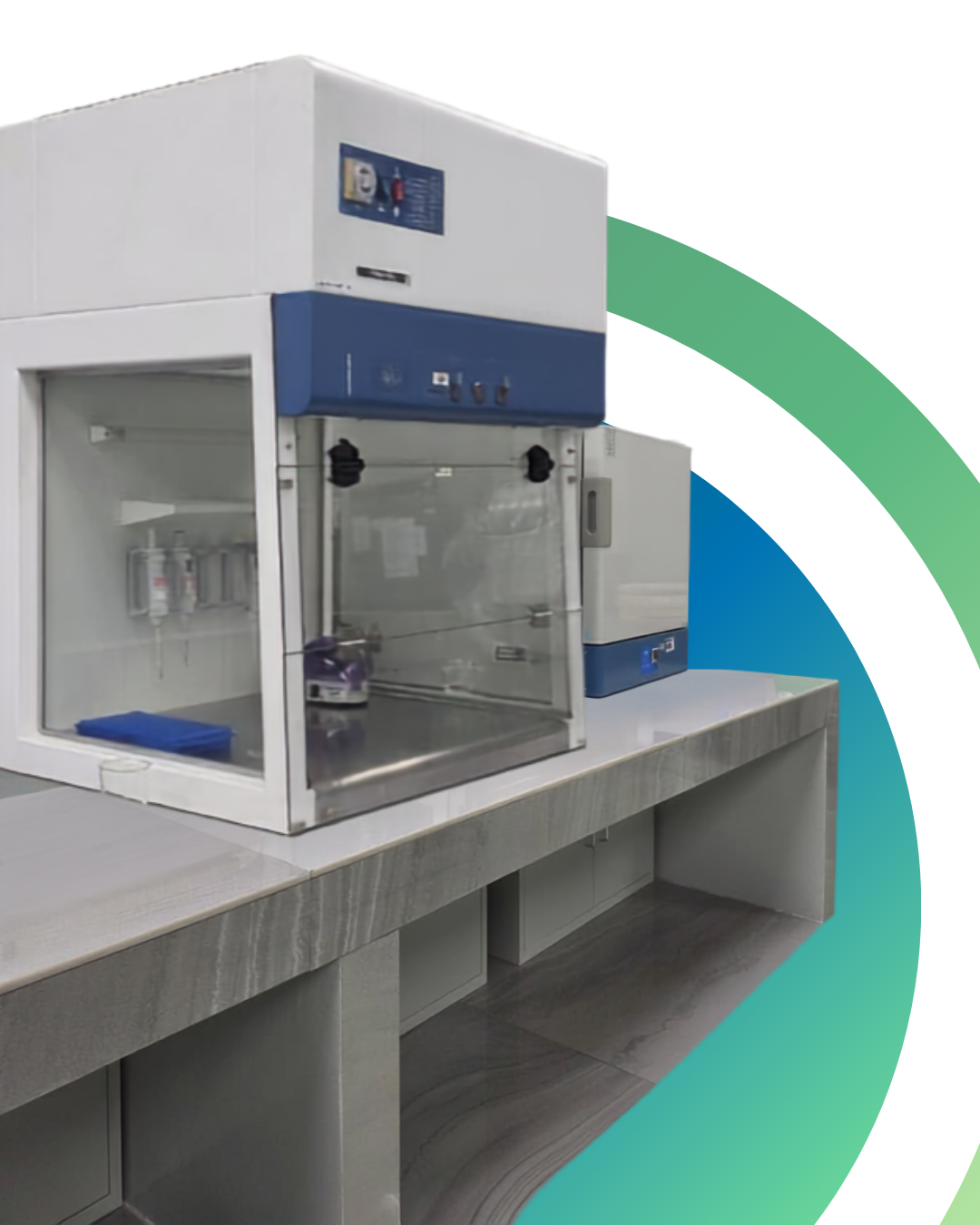 |
| Biosafety Cabinet |
Functions of Biosafety Cabinet (BSC)
- Protects the user (personnel)
Prevents exposure to harmful biological agents (bacteria, viruses, aerosols).
- Protects the sample/product
Maintains a sterile working environment to avoid contamination.
- Protects the environment
Filters and prevents hazardous particles from being released into the lab.
- Controls airflow
Uses HEPA-filtered air to ensure clean, directional airflow inside the cabinet.
|
|
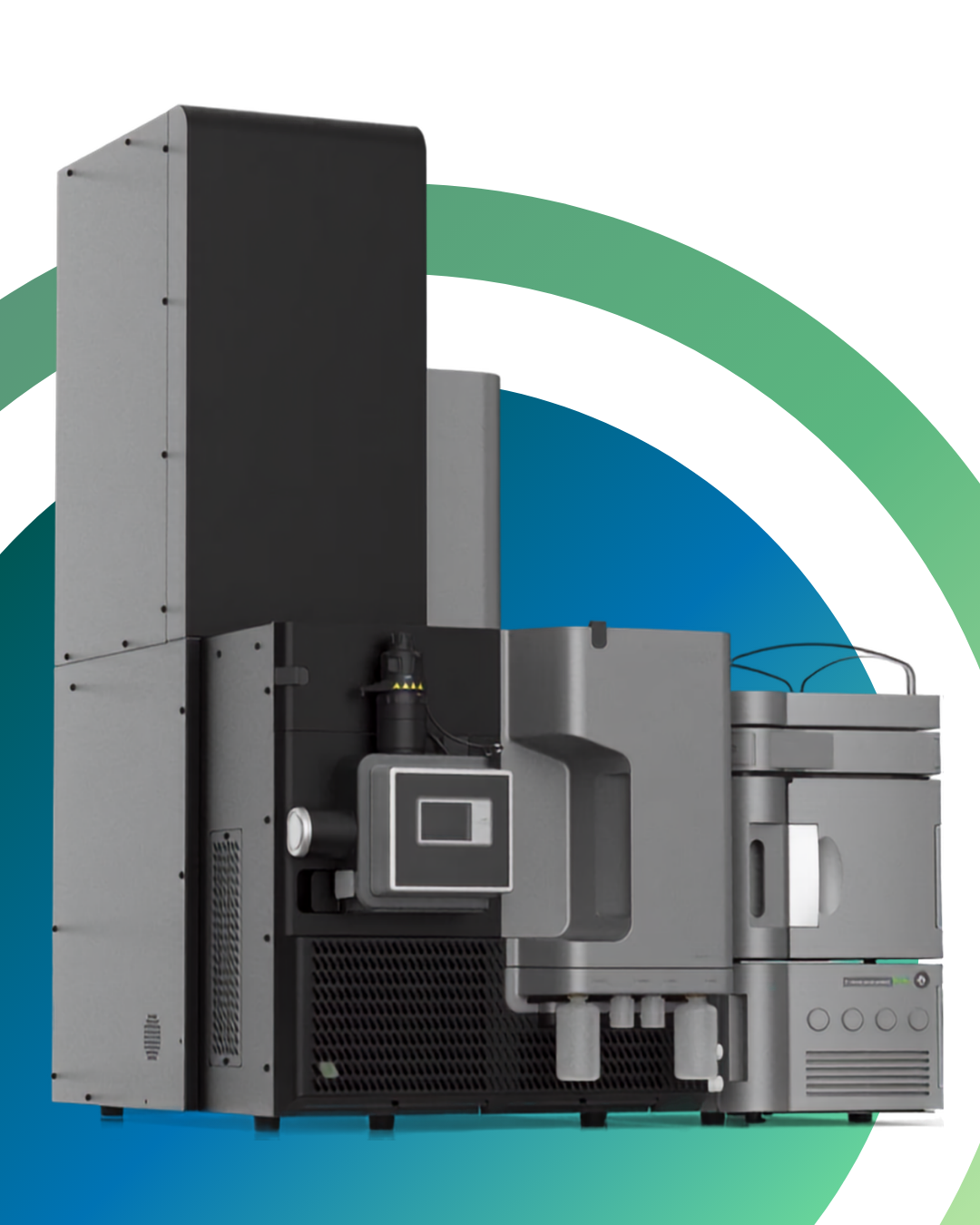 |
| Gas chromatography mass spectrometer |
Functions of GC-MS
- Separates chemical compounds
Gas chromatography separates mixtures into individual components based on volatility.
- Identifies compounds
Mass spectrometry detects and identifies compounds by their unique mass spectra.
- Quantifies substances
Measures the concentration of specific compounds in a sample.
- Analyzes complex mixtures
Useful for analyzing environmental samples, food, pharmaceuticals, and forensic samples.
- Detects trace-level compounds
Highly sensitive—can detect very small amounts of chemicals.
|
|
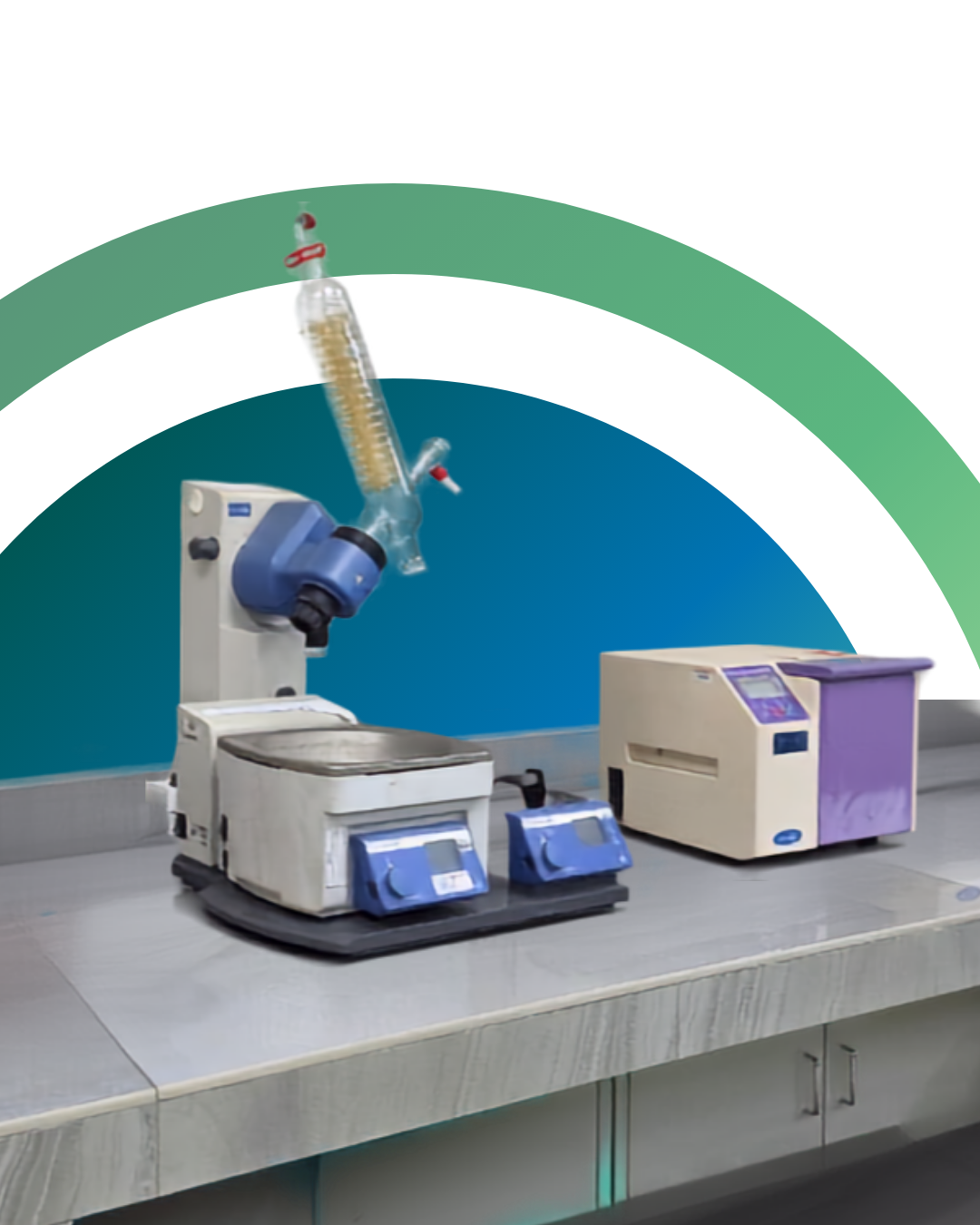 |
| Rotary Evaporator |
Functions of Rotary Evaporator
- Removes solvents efficiently
Evaporates solvents from samples using reduced pressure (vacuum) and gentle heating.
- Concentrates samples
Increases the concentration of desired compounds by removing excess solvent.
- Performs low-temperature evaporation
Allows evaporation at lower temperatures, protecting heat-sensitive compounds.
- Improves evaporation speed
Rotation increases surface area, speeding up the evaporation process.
- Solvent recovery
Condenses and collects evaporated solvent for reuse.
|
|
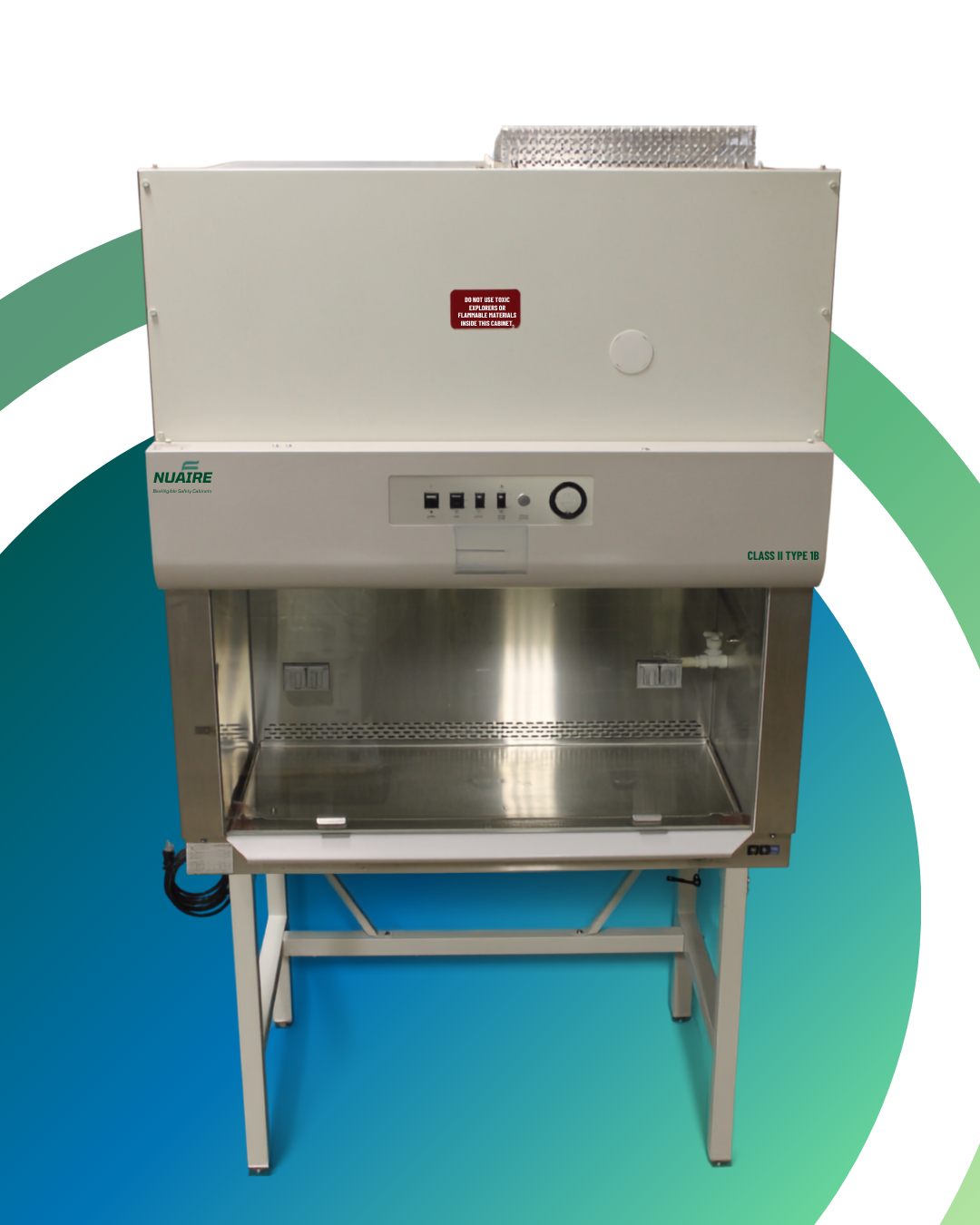 |
| Fumehood |
Functions of Fume Hood
- Protects the user from hazardous fumes
Removes toxic vapors, gases, and aerosols from the working area.
- Improves laboratory safety
Reduces exposure to dangerous chemicals during experiments.
- Controls airflow and ventilation
Draws contaminated air away from the user and expels it safely.
- Prevents inhalation of harmful substances
Ensures that chemical fumes do not enter the breathing zone.
- Provides a controlled working environment
Suitable for handling volatile, corrosive, or toxic substances.
|
|
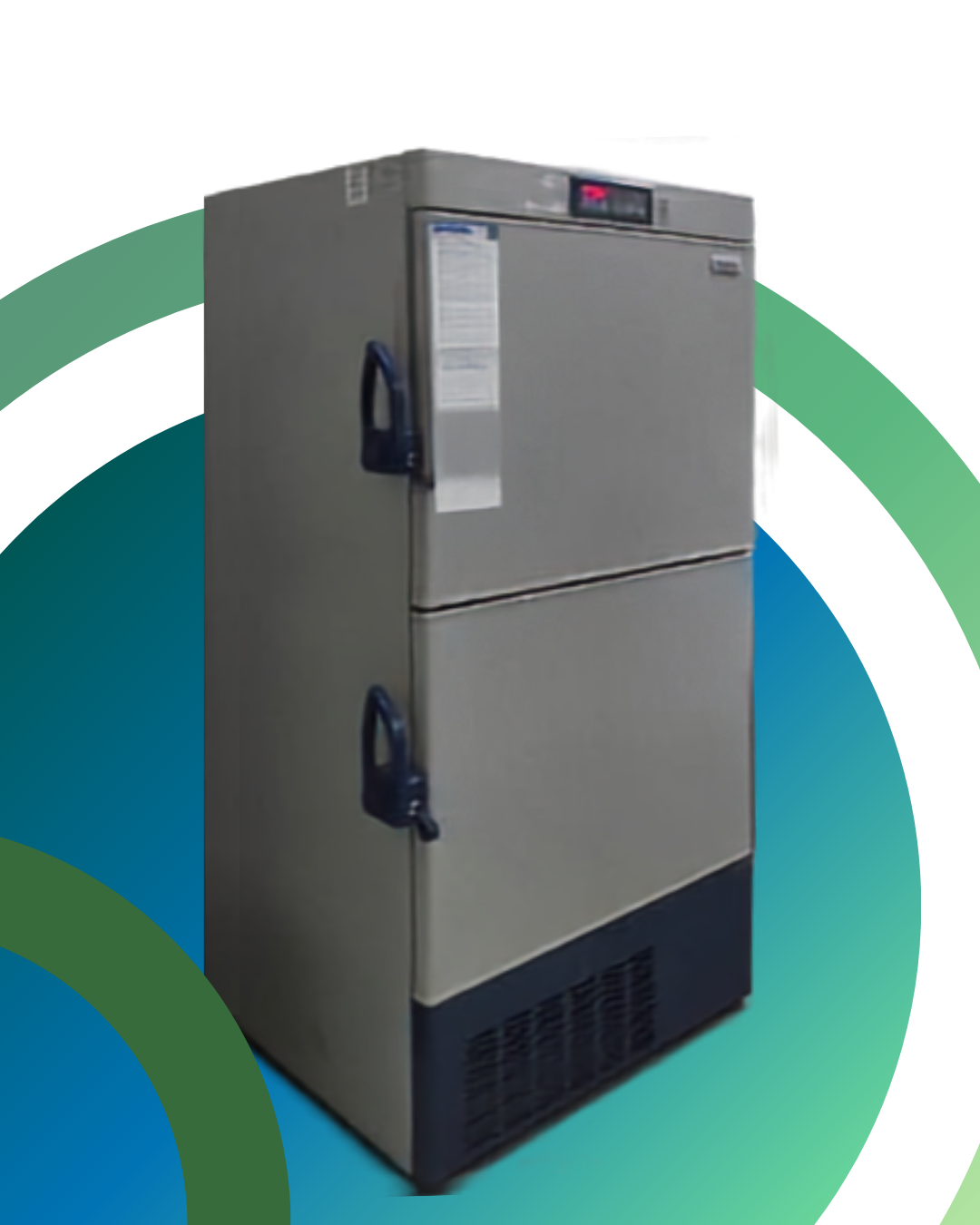 |
| -80 and -20 freezer |
|
Functions of Freezers
-80°C Freezer (Ultra-Low Temperature Freezer)
- Long-term sample storage
Stores biological samples such as DNA, RNA, proteins, and microorganisms for extended periods.
- Preserves sample integrity
Extremely low temperature slows down enzymatic activity and degradation.
- Prevents microbial growth
Inhibits bacteria and fungi from growing.
- Used for sensitive research materials
Suitable for vaccines, cell cultures, and clinical samples.
|
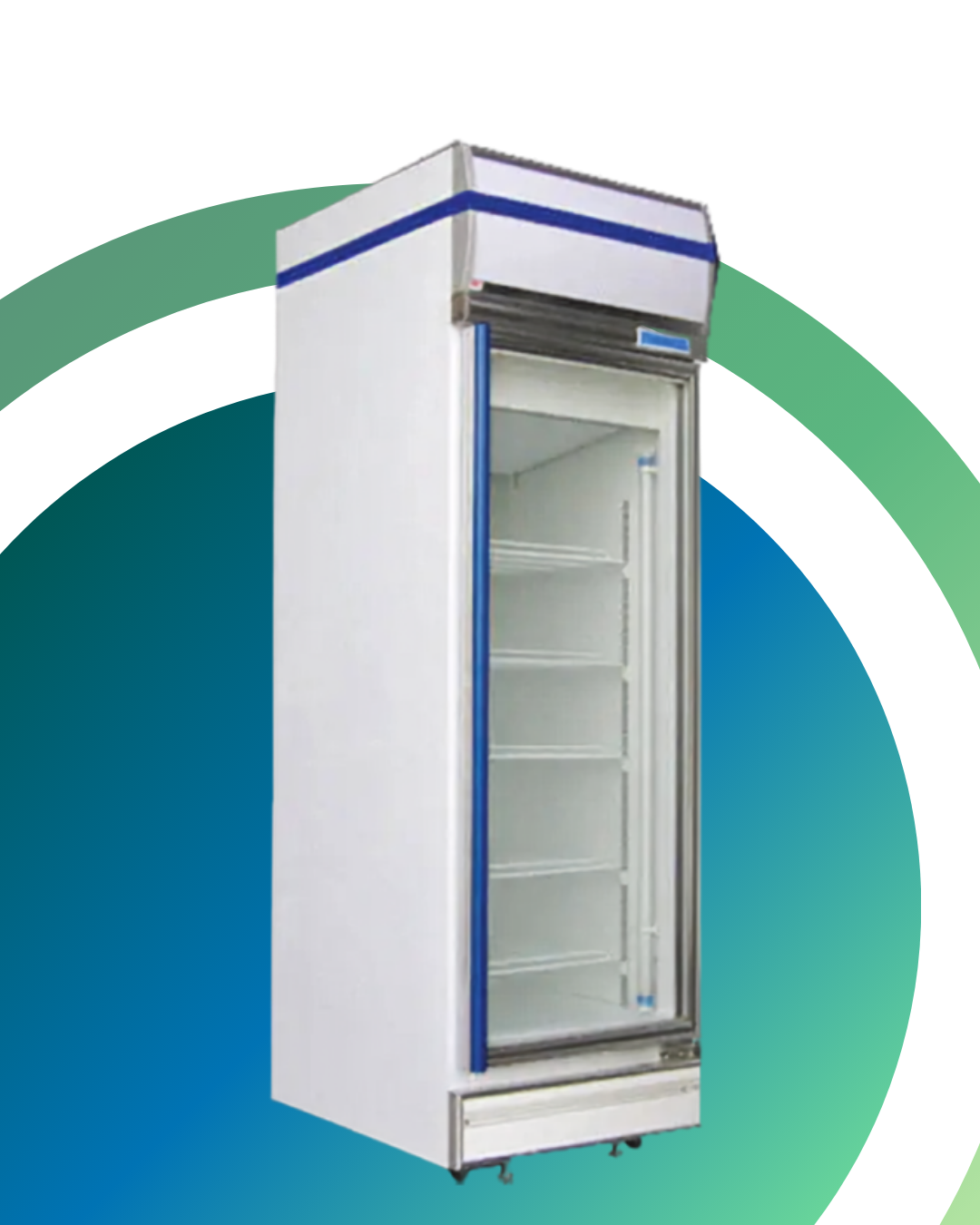
-Freezer -20°C
- Short- to medium-term storage
Used for storing reagents, enzymes, and samples for shorter durations.
- Maintains stability of materials
Helps preserve chemicals and biological substances.
- Prevents degradation
Slows down chemical reactions and biological breakdown.
- Common lab storage
Widely used for everyday laboratory needs.
|
|
 |
| Chiller |
Functions of Chiller
- Controls and maintains temperature
Keeps equipment or samples at a stable, low temperature during experiments.
- Removes excess heat
Absorbs and dissipates heat generated by instruments such as lasers, reactors, or analytical equipment.
- Provides continuous cooling
Circulates coolant (usually water or glycol mixture) to ensure consistent cooling performance.
- Improves equipment performance
Prevents overheating, ensuring instruments operate efficiently and accurately.
- Enhances experiment stability
Maintains constant conditions, which is critical for reproducible scientific results.
|
|
Updated:: 03/08/2026 [saidatulmaisarah]
MEDIA SHARING